• 6 posts
  • 0 comments
Joined 3 years ago
Cake day: June 20th, 2023

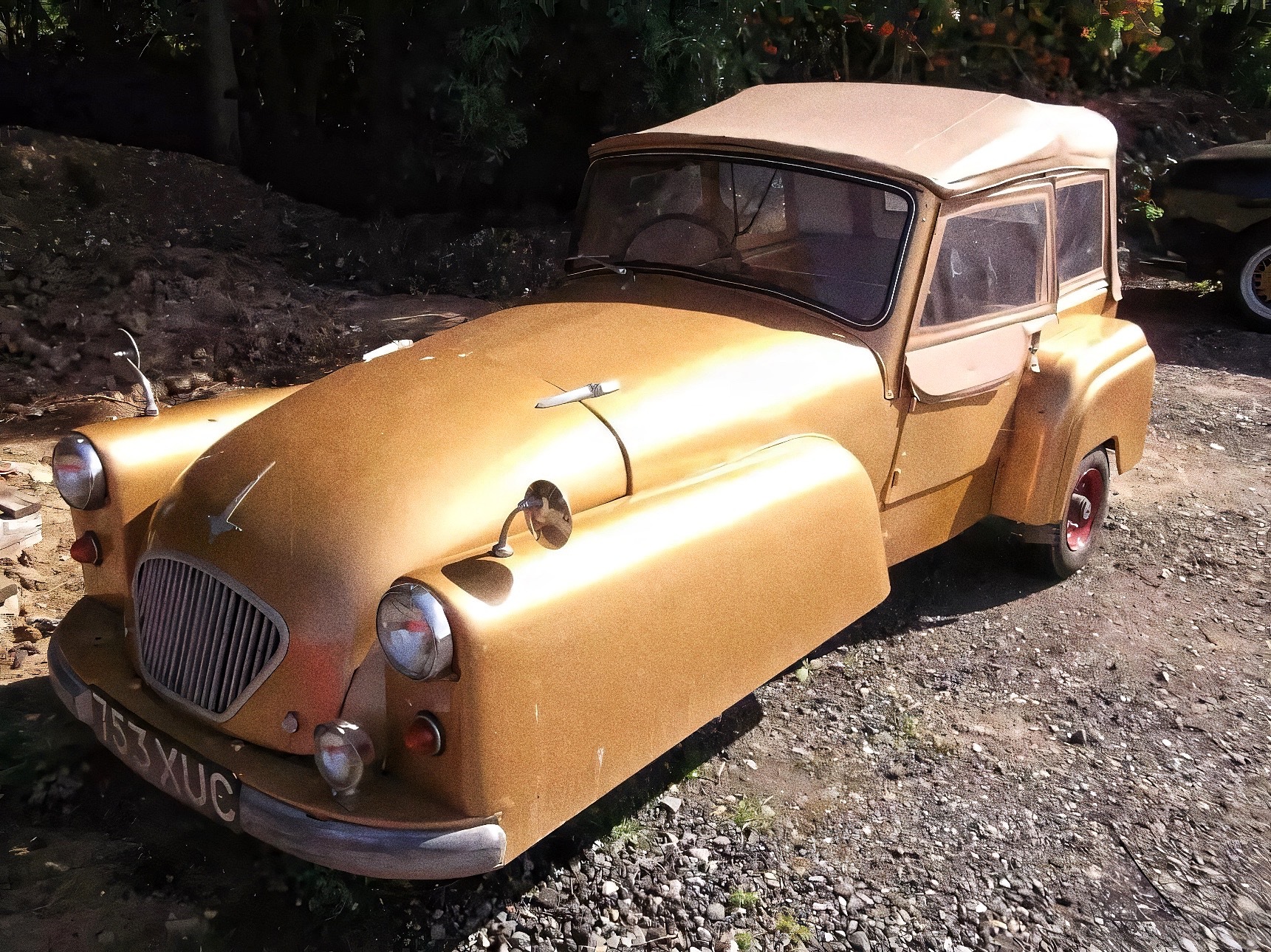
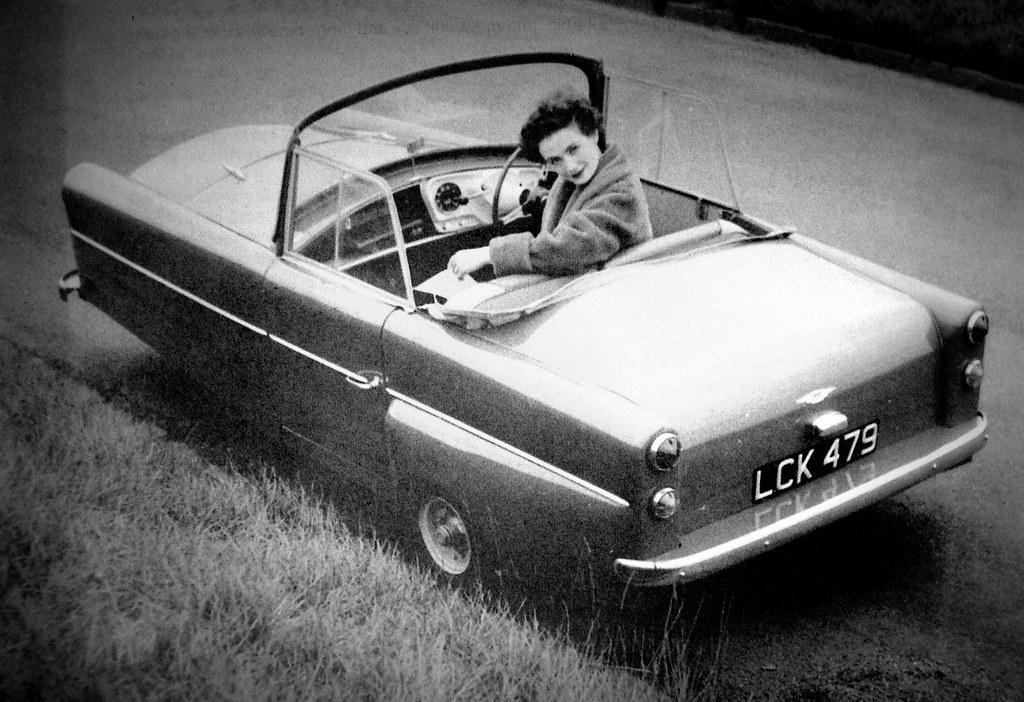
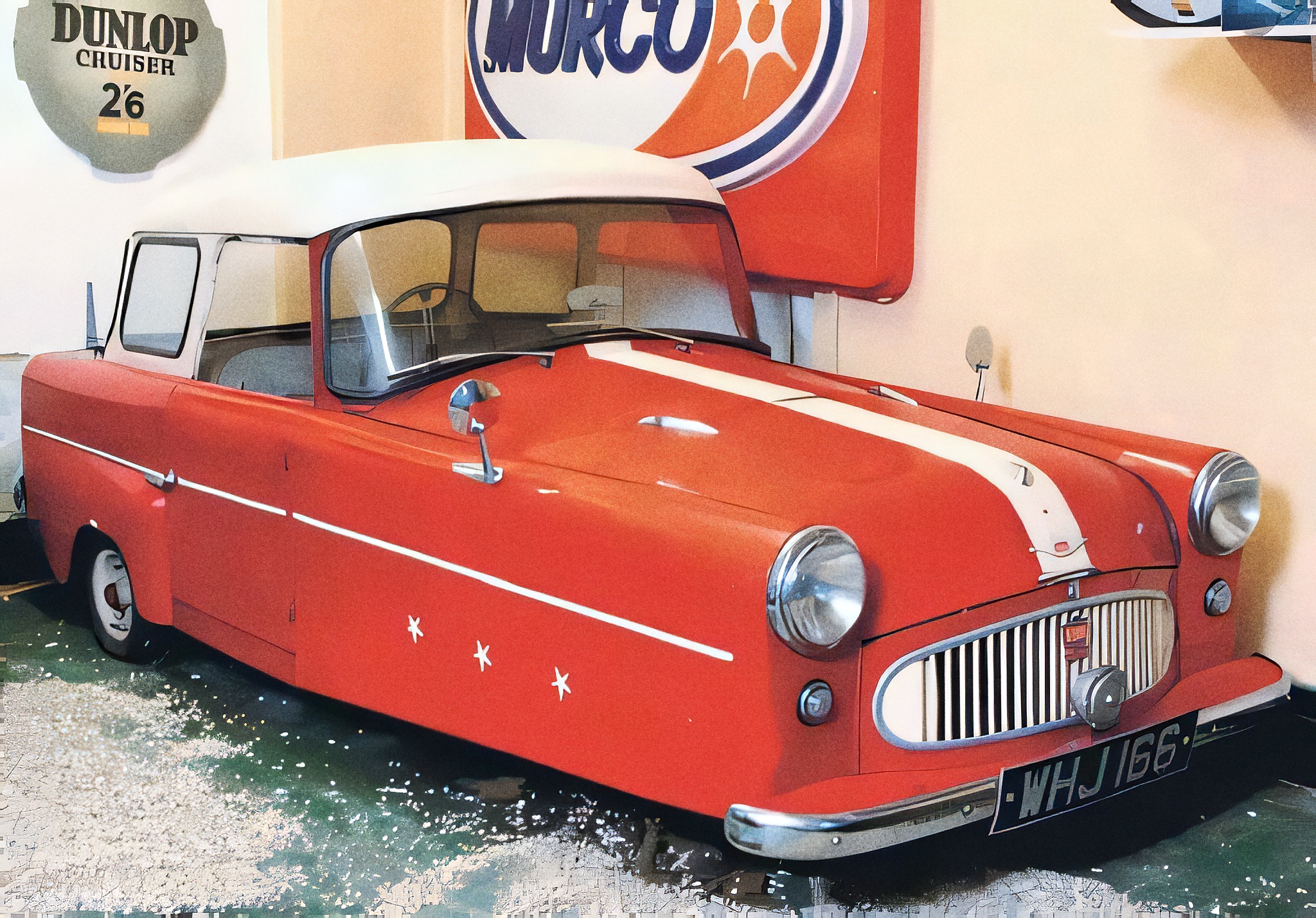
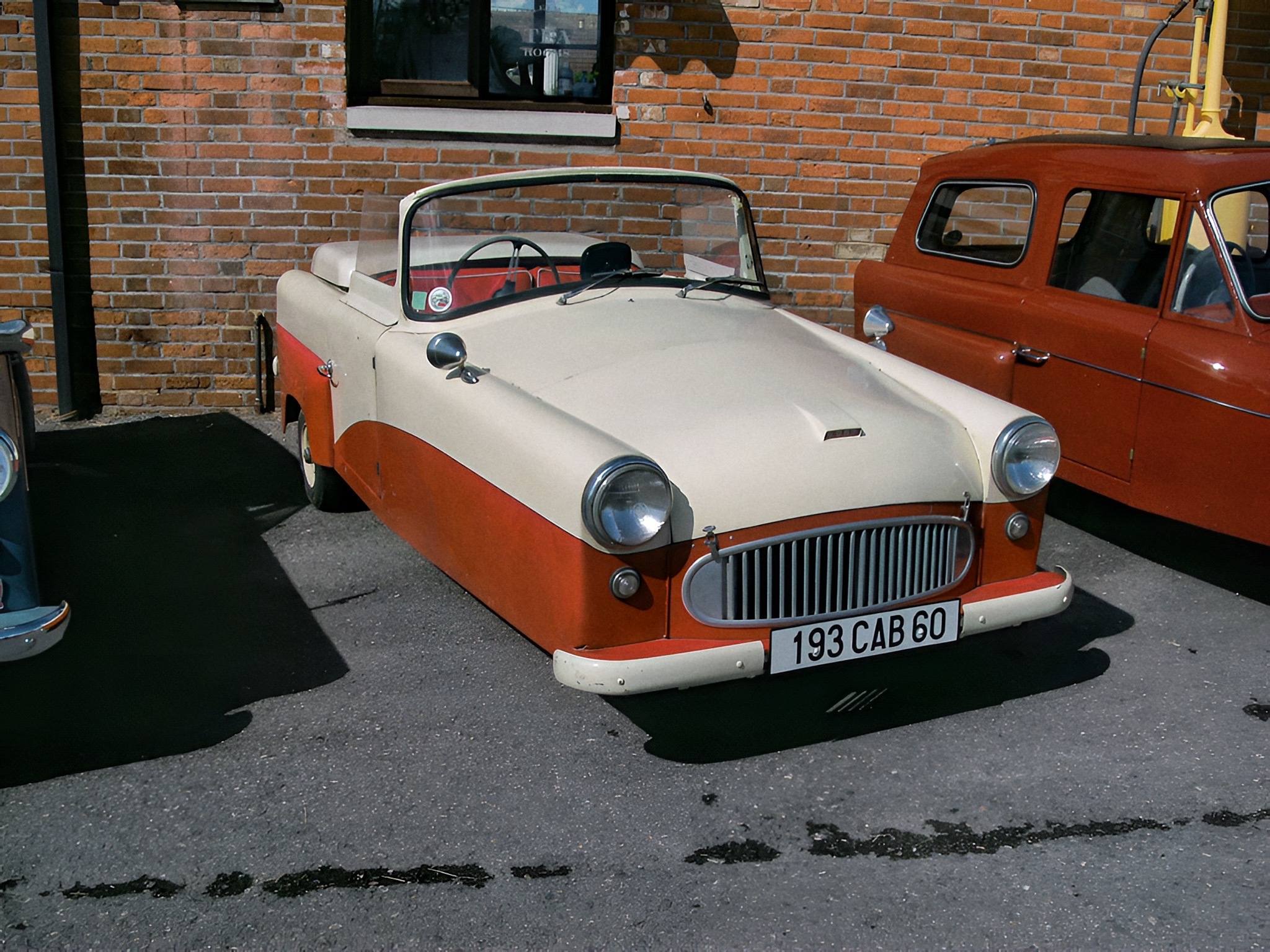
THE BOND MINIBYKE (1949)

Mk.A (1949-1951) & Mk.B (1951-1952):

Hard to tell the Models apart, here is what I have managed to find: Mk. A: Larger and taller rear mudguards. Mk. A: 8 ft 10 in long, 4 ft 7 in wide, 3 ft 6 in tall. Mk. A: Flatter hood with less headroom. Mk. B: Smaller but wider rear mudguards, part of a redesign for practicality. Mk. B: 9 ft 1 in long, 5 ft 0 in wide, 3 ft 9 in tall. Mk. B: Redesigned hood with more headroom, giving a slightly higher roofline.

Mk. B MINITRUCK VARIANT:

Mk. B MINIVAN VARIANTS:

Mk. C PROTOTYPE:

Mk. C (1952-1956):

Mk. D (1956-1958):

Mk. E PROTOTYPE:

Mk. E (1957-1958):

Mk. F (1958-1963):

Mk. G (1961-1966):

Mk. G VAN VARIANT:

Info:

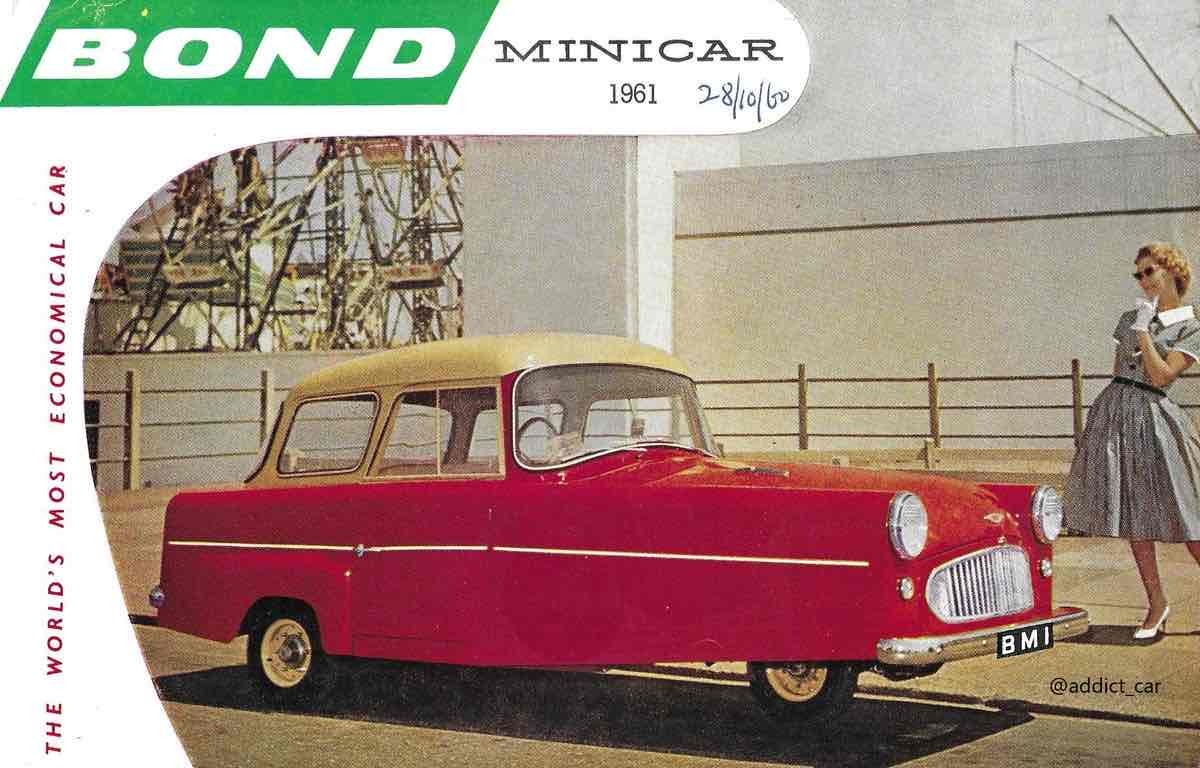
Emerging in the austere aftermath of the Second World War, the Bond Minicar embodied a distinctly British form of ingenuity—lightweight, efficient, and pragmatic. Conceived by engineer Lawrence “Lawrie” Bond, whose wartime experience at the Blackburn Aircraft Company heavily influenced his approach, the vehicle offered an accessible transport solution for a nation grappling with fuel rationing and economic hardship.

Launched in 1949 by Sharp’s Commercials Ltd. of Blackpool, the initial model—designated the Mark A—was striking in both form and function. It featured a 125cc Villiers two-stroke engine, an aluminium body, and a single front wheel that served both steering and drive functions.

Weighing under 200 kilograms, it achieved up to 100 miles per gallon, a figure that earned it widespread attention as “the world’s most economical car.” Crucially, the three-wheeled configuration allowed it to be taxed and insured as a motorcycle, making it a financially viable alternative to conventional four-wheeled vehicles.

The Bond Minicar underwent a steady evolution throughout its production life, each model reflecting refinements in response to consumer feedback and engineering progress.

The Mark B (1951) introduced a more powerful 197cc engine, improved suspension, and a safety-glass windscreen. Later iterations expanded the vehicle’s utility: the Minitruck variant targeted light commercial use, while the Family Safety Saloon broadened its appeal to households.

The Mark C (1952) offered enhanced styling, faux front wings, and optional convertible or van configurations.

Technical advancements continued with subsequent models. The Mark D added a long-requested reverse gear, and the Mark E adopted a semi-monocoque chassis with a longer wheelbase, though at the expense of some stability. The Mark F introduced a more powerful engine and a four-seat saloon layout.

The final iteration, the Mark G (1961), marked the peak of the series, incorporating a fibreglass roof, larger wheels, and upgraded interiors, while preserving the fundamental three-wheeled, lightweight architecture that defined the vehicle.

Despite its success—with over 24,000 units produced—the Bond Minicar was ultimately a product of its time. Production ceased in 1966 as shifting economic conditions, tax reforms, and changing consumer expectations eroded the advantages of three-wheelers.

Rising affluence led buyers towards conventional cars, while regulatory changes removed the fiscal benefits that had once made the Minicar attractive.

Sources: https://ingeniumcanada.org/channel/articles/a-microcar-designed-in-a-time-of-austerity-the-bond-minicar

https://bondcars.net/Minicar Mk B.htm

https://absolutelycars.fr/culture-automobile/bond-createur-d-atypiques-micro-cars/

Info:

In a heartwarming blend of imagination and engineering, BMW USA took on the whimsical challenge of designing a concept car based on the wild specifications dreamed up by a 4-year-old boy named Eli.

Inspired by a conversation with his uncle, a Jalopnik reader, Eli envisioned a BMW with 42 wheels, 19 Porsche engines boasting a combined 8,721 horsepower, three steering wheels that could all control the car simultaneously, and a trunk full of toys to play in. The idea gained traction when his uncle shared the specs with the Jalopnik community, prompting BMW’s marketing team to bring this fantastical “4219Eli” to life as a conceptual design, complete with a playful nod to the young gearhead’s vision.

BMW’s rendition, showcased on their Facebook page, embraced Eli’s core ideas—42 wheels for a 42-wheel-drive setup and a toy-filled trunk—while adding a touch of their own flair, like features inspired by the BMW Z3.

The automaker cleverly sidestepped the logistics of 19 water-cooled, turbocharged Porsche boxer engines, focusing instead on a visually striking concept that captured the spirit of Eli’s dream.

Dubbed the “4219ELi” (42 wheels, 19 engines, Extra Long wheelbase, and fuel injection), this quirky creation won’t hit dealerships, but it highlights BMW’s willingness to engage with fans in a fun, imaginative way. “Eli, we think you might be onto something,” BMW USA posted, hinting that this 4-year-old’s boundless creativity could inspire future design whimsy.

Other Entries (Not BMW):

Links: https://www.businessinsider.com/bmw-designs-42-wheel-car-for-4-year-old-2013-2

https://www.jalopnik.com/help-a-four-year-old-visualize-his-dream-car-5980101/

https://www.netimperative.com/2013/02/14/childs-play-bmw-designs-car-based-on-4-year-olds-idea/

https://www.chron.com/cars/article/BMW-designs-oddest-car-for-4-year-old-boy-4262824.php

Newspaper Exerpt:

A progressive citizen of Columbus, Ohio, anxious to emulate his more wealth neighbors in possessing an easy-going conveyance—and being possessed of one large he-goat, of whose electromotive force much has been printed, and more has been thought—conceived the scheme of harnessing the force in such a manner as would make it most easily controlled. Inability to protect the goat by letters patent or a copyright, leaves the invention open, so that whomsoever will may copy it.

Info:

The Poochmobile, a bizarre yet earnest experiment in alternative transportation, was built in 1939 by 80-year-old Z. Wiggs, a dog trainer and former railroad worker from Denton, Texas.

The contraption featured a large central “squirrel-cage” wheel powered by a single dog walking inside it, transmitting motion via a belt-and-pulley system to the rear wheels.

Wiggs envisioned it as a fuel-free solution to modern transport—a Depression-era glimpse at “green” mobility. Despite its ingenuity, the Poochmobile was widely viewed as charmingly impractical and never made it past the prototype stage.

Links: https://thehydrant.wordpress.com/tag/popular-mechanics/#%3A~%3Atext=DOG%2520power%2520drives%2520an%2520odd%2Ccontrols%2520by%2520a%2520“gearshift”%2520lever

https://dentonlibrary.wordpress.com/2018/07/21/z-wiggs-reinvents-the-wheel/

O============[]TITLE[]============O

The first part of your post is the title, people like to look up these wondrous beast so be clear and precise, these cars are also quite rare and barely have a record on the internet so we like to keep our records clean, as they say.

O==========[]BRACKETS[]==========O

The title consists of two parts, the type of car is first, time is the second. Put this information in square brackets for a tidy presentation.

}-First Part:

The types of vehicles is simple:

REAL: A vehicle that was put into production.

FAKE: A vehicle from any type of media or an April’s Fools.

MODDED: A vehicle that has been modified, either by the original company or a second party.

CUSTOM: A vehicle that has been scratch made, homebuilt or been so heavily modified that it is wrong to call it modded.

UNKNOWN: Sometimes information can be elusive, this tag is for those cars that have been lost to time, this tag can also be used for the date.

CONCEPT: A vehicle that has been made to prove a point, show what the company could do or what the future could look like.

PROTOTYPE: A car that was planned to go into production but something/ someone stopped it.

You will now have:

[REAL, XXXX]

[FAKE, XXXX]

[MODDED, XXXX]

[CUSTOM, XXXX]

[UNKNOWN, XXXX]

[CONCEPT, XXXX]

[PROTOTYPE, XXXX]

}-Second Part:

The Date

Due to some of these weird wonders being so rare, pinning down a date can be hard, always post the manifacture/ release of the vehicle or a rough approximation, for example:

[XXXX, 19th Century]

[XXXX, 1920’s]

[XXXX, 1920’s/30’s] - made in either decade

[XXXX, 1923/8] - either made in '23 or '28

[XXXX, 1923-8] - made between '23 and '28

O============[]PICTURE[]=============O

We like to keep things up to a standard here, we like to keep things clean which means the main image must be as high quality as possible, below is the yes and no’s.

YES:

Clean Screenshot, showing the car cleanly

NO:

SOCIAL MEDIA POSTS

EBAY

UNCLEAR IMAGE

THUMBNAILS

DRAWINGS

However we do allow drawings and unclear images if no other source is available.