



Michael Altfield

  • 6 posts
  • 25 comments
Joined 6 months ago
Cake day: April 21st, 2026

cross-posted from: https://slrpnk.net/post/42117003

What’s the best BIFL electric pressure cooker?

I mostly need something that’ll cook beans fast (with pressure). I want something electric with lots of (pressure-related) safety features. I figured if I got a multicooker, then I could also make yogurt; specifically I want the ability to set the temperature myself (not just “high, med, or low” – but the specific granular number of degrees in Celsius, including low temps down in the 30s)

I’ve read good things about Instant Pot, but I’ve also read some people say they broke after some years. That’s expected for some percent of devices, but the big red flag was that I couldn’t find any place on their site to buy replacement parts. They had a video describing the different components, but it was 40 seconds of trash – no info on how to replace the PCB or troubleshoot other common hardware issues to actually repair this thing. So it didn’t seem very BIFL…

I’m wondering if there’s any commercial-grade alternatives to Instant Pot, which really are BIFL. Something in the thousands of dollars, not hundreds (I’d also be willing to pay more for one that has better sensors for cooking rice – and elimination of stupid fads like radio-control-by-app). Something where they offer very few models and lots of standardized parts – where those parts are clearly purchasable on their website, and they have comprehensive guides on how to fix and replace parts that fail after 10 years.

What’s the best commercial-grade BIFL electric multi cooker?
cross-posted from: https://slrpnk.net/post/42117003

What’s the best BIFL electric pressure cooker?

I mostly need something that’ll cook beans fast (with pressure). I want something electric with lots of (pressure-related) safety features. I figured if I got a multicooker, then I could also make yogurt; specifically I want the ability to set the temperature myself (not just “high, med, or low” – but the specific granular number of degrees in Celsius, including low temps down in the 30s)

I’ve read good things about Instant Pot, but I’ve also read some people say they broke after some years. That’s expected for some percent of devices, but the big red flag was that I couldn’t find any place on their site to buy replacement parts. They had a video describing the different components, but it was 40 seconds of trash – no info on how to replace the PCB or troubleshoot other common hardware issues to actually repair this thing. So it didn’t seem very BIFL…

I’m wondering if there’s any commercial-grade alternatives to Instant Pot, which really are BIFL. Something in the thousands of dollars, not hundreds (I’d also be willing to pay more for one that has better sensors for cooking rice – and elimination of stupid fads like radio-control-by-app). Something where they offer very few models and lots of standardized parts – where those parts are clearly purchasable on their website, and they have comprehensive guides on how to fix and replace parts that fail after 10 years.

What’s the best commercial-grade BIFL electric multi cooker?
What’s the best BIFL electric pressure cooker?

I mostly need something that’ll cook beans fast (with pressure). I want something electric with lots of (pressure-related) safety features. I figured if I got a multicooker, then I could also make yogurt; specifically I want the ability to set the temperature myself (not just “high, med, or low” – but the specific granular number of degrees in Celsius, including low temps down in the 30s)

I’ve read good things about Instant Pot, but I’ve also read some people say they broke after some years. That’s expected for some percent of devices, but the big red flag was that I couldn’t find any place on their site to buy replacement parts. They had a video describing the different components, but it was 40 seconds of trash – no info on how to replace the PCB or troubleshoot other common hardware issues to actually repair this thing. So it didn’t seem very BIFL…

I’m wondering if there’s any commercial-grade alternatives to Instant Pot, which really are BIFL. Something in the thousands of dollars, not hundreds (I’d also be willing to pay more for one that has better sensors for cooking rice – and elimination of stupid fads like radio-control-by-app). Something where they offer very few models and lots of standardized parts – where those parts are clearly purchasable on their website, and they have comprehensive guides on how to fix and replace parts that fail after 10 years.

What’s the best commercial-grade BIFL electric multi cooker?

cross-posted from: https://slrpnk.net/post/41342101

What’s your favorite brand of BIFL cookware for induction?

I’m looking to upgrade my kitchen with industrial-quality pots and pans. After about a month of searching, I came to the conclusion that the most important requirements are:

  1. 3-ply (or 5-ply). Fully clad (not just the bottom disc).
  2. 18/8 or 18/10 stainless steel on the inside
  3. 18/0 (or 200- or 400-grade) magnetic stainless steel on the outside.
  4. Thick layers of metal (ideally >= 3mm of aluminum)
  5. Strong, serviceable rivets on handles (not welded)
  6. Handles on both sides of the pot (helper handle)
  7. Handles have a hole in them on the end (for hanging)
  8. Fits a 28 cm (or 11”) lid (easily replaceable standard size that’s interchangeable between metric and dumb units)
  9. Top rim should either have a pour spout or flared lip (for easier pouring)
  10. NSF certified

From what I’ve read, stainless steel isn’t a very good conductor (NIST says that aluminum transfers heat 16x better than stainless steel). But stainless steel is a better surface to cook-on, because it’s less reactive and won’t absorb flavours. So, 3-ply sandwiches a thick aluminum layer between two different types of stainless steel (nickle-free [eg 18/0 or 200- or 400-grade] on the outside, which – though less corrosion resistant – is important for it to work on an induction cooktop) and either 18/8 or 18/10 on the inside.

5-ply is also a thing, but my research suggests that it doesn’t really matter how many layers. What’s more important is the thickness of the material.

And that’s why I’m here. Because, confoundedly, the manufacturers of these pots don’t seem to even know how thick the layers of their 3-ply cookware is!

Ideally I’d just find the technical specifications of their cookware on their website, make a spreadsheet, and then buy the one with the thickest material (or close to the thickest, depending on my trade-off between quality vs weight & cost).

But I’ve called maybe a dozen manufacturers, and none seem to know the specifications of their own cookware :(

So, fediverse, I ask you: does anyone know what the thickness of the layers in these manufacturer’s 3-ply cookware is? Otherwise, what’s been your experience? How do you feel about these brands? Is there some other one (not listed) that you prefer?

  • Browne Thermalloy
  • All-Clad
  • Made-in
  • Tramontina
  • Cuisinart
  • Other?

Edit: I should be clear that I’m specifically asking about 3-ply or 5-ply stainless steel cookware. This is for a community house, so I need something that can be (ab)used by housemates who don’t know or care for the seasonings on the pans. And I don’t want cast iron, because it’s more likely to break the glass-topped induction cooktop.

  • We do our pre-releases on CI runners for convenience. GitHub automatically kicks-off a build when we git push.

    When it comes time to do a real release, we can just run the job locally on our build machines (this is easier thanks to docker). Because our builds are reproducible, we can just check that the hash matches on our local build and the one from the free GitHub CI runners. That way we don’t have to trust the infrastructure, but we can use it for free & easy iteration before our final release.

What do others use for ensuring the authenticity of images after downloading them with docker pull?

We’ve setup our CI build process to use docker for consistent, cross-platform builds. To ensure that our builds don’t use a malicious docker image (because the surface area of attack with TLS is enormous if you’re using X.509), we’ve been using DCT (Docker Content Trust).

Unfortunately, I just discovered that the official docker documentation says that DCT is being deprecated. Apparently this was announced last year, and in June this blog post was published with advice:

Cosign is not secure

We spent some time looking into cosign, but we discovered that the private keys aren’t actually in the hands of the developer.

Rather, they use this complicated setup using very insecure X.509 to issue temporary certificates.

The result is that the OIDC identity provider (e.g., GitHub) extends the vector of attack significantly – to probably tens of thousands of people – that can publish a malicious image that will be accepted by cosign as “trusted”

Notation (Notary v2)

I also looked at Notation (aka “Notary v2”), but there’s no way to bootstrap the software safely, since (perplexingly) their tool for verifying the authenticity of images using cryptographic signatures itself can’t be verified using a cryptographic signature.

Alternatives

Are there any other alternatives that I can use to replace DCT to ensure the authenticity (using cryptography) of the container images that I download – where the keys are actually held by the developer (thus significantly reducing the “insider threat” risk)?

What do you (or does your org do) to ensure that you’re not using maliciously-modified containers after pulling a new docker image?

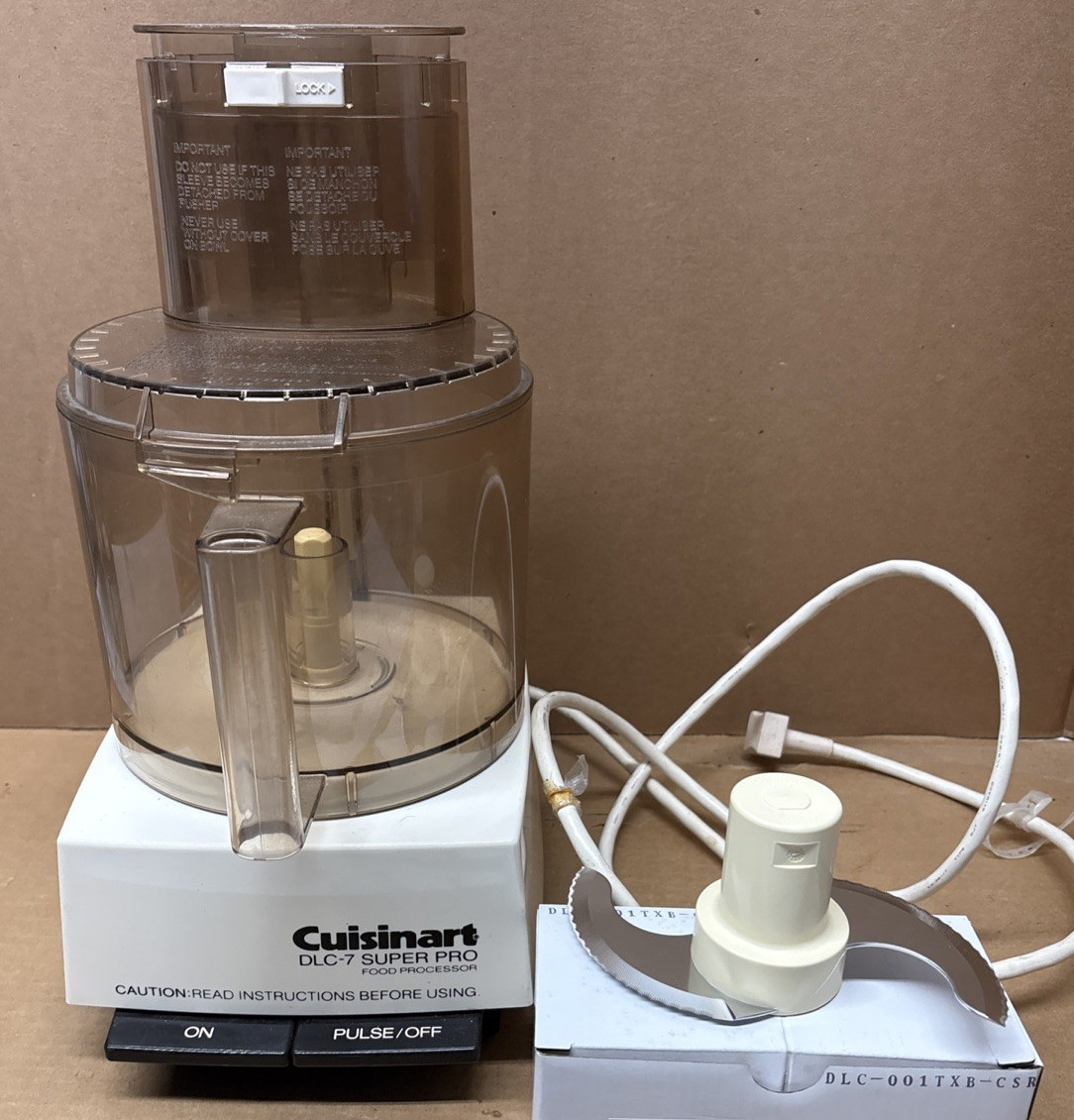
  • I highly recommend the Cuisinart 14-cup Food Processor.

    photo of a cuisinart 14-cup food processor DCL-7 Super Pro with a blade next to it

    You can find them used for $100-$300. I think the new ones are probably be fine, but it might be safer to get one manufacturered before 2021, when Cuisinart was bought by Conair. And probably avoid the ones with riveted blades, since in 2016 there was an issue where the blades broke apart, and people were injured by eating small pieces of metal.

    The smaller 3-cup one is decent, but I broke it making peanut butter. It’s really not designed for that kind of abuse. So I wouldn’t recommend it.

    But these 14-cup ones are tanks that will last generations. You can buy replacement parts. And there’s loads of used ones, so you should be able to get spare parts for generations.