

cross-posted from: https://no.lastname.nz/post/1904329
FERAL: The advance of destructive wild cats across New Zealand’s native heartland. Could hunters help stem the feral cat crisis?

cross-posted from: https://no.lastname.nz/post/1904329
FERAL: The advance of destructive wild cats across New Zealand’s native heartland. Could hunters help stem the feral cat crisis?
FERAL: The advance of destructive wild cats across New Zealand’s native heartland. Could hunters help stem the feral cat crisis?
cross-posted from: https://beehaw.org/post/22505824
Magic mushrooms have been used in traditional ceremonies and for recreational purposes for thousands of years. However, a new study has found that mushrooms evolved the ability to make the same psychoactive substance twice. The discovery has important implications for both our understanding of these mushrooms’ role in nature and their medical potential.
Magic mushrooms produce psilocybin, which your body converts into its active form, psilocin, when you ingest it. Psilocybin rose in popularity in the 1960s and was eventually classed as a Schedule 1 drug in the US in 1970, and as a Class A drug in 1971 in the UK, the designations given to drugs that have high potential for abuse and no accepted medical use. This put a stop to research on the medical use of psilocybin for decades.
But recent clinical trials have shown that psilocybin can reduce depression severity, suicidal thoughts and chronic anxiety.
Some not-so-clinical trials have reached the same conclusion. Still, it’s a bit unclear where researchers are finding a bottleneck on producing cubensis. Give those fuckers the right environment, and after the fourth flush, you’re trying to give them away as soon as they’re dry.
This study may provide scientists with additional tools to produce psilocybin to use for medical purposes. Mushrooms tend to grow slowly both in nature and in the laboratory. Psilocybe (magic mushrooms) take about two months to grow from spores to mature mushrooms.
Oof. “May provide” is lousy writing and invites the reader to internalize “but then again, it may not.”
Pedantry aside, these scientists need to try growing a vegetable. “Two months is an eternity!” Yeah, compared to bacterium.
And it’s a bit involved but not complex with SOPs proven to avoid contamination. Getting there’s the hard part. After that, you should have plenty of liquid culture good to go, and from there, it’s just a matter of inoculating, breaking and sending to bulk ahead of multiple flushes per cake.
Like, it’s way easier than actually doing organic chemistry!
If large amounts of psilocybin are needed for testing in clinical trials or for future medical use, quick and sustainable ways of producing it should be investigated.
Scale. Let’s be conservative and presume two flushes per 6L-shoebox cake. Once you’ve got to liquid culture, you can start filling jars daily to have a constant supply.
Currently, psilocybin is produced using synthetic material because it is faster than extracting the compound from mushrooms and has higher yields.
It’s also still produced the old-fashioned way.
This has its drawbacks though. The current synthetic extraction methods that scientists use generate hazardous waste and include key steps that can only be carried out on a small scale.
Because what I want from psychedelic therapy is producing hazardous chemicals as a byproduct. With spent cakes, you can compost them, trash them or just throw them in the yard and hope they react to the next rainstorm.
Enzymes are inherently more sustainable than non-biological catalysts because they generally operate in mild conditions (such as low temperature and neutral pH) and are easier to purify, which reduces energy consumption and waste. Also, enzymes are biodegradable, which helps decrease the environmental impact of industrial processes.
Ya think?
Buckle in for a wildly dramatised portrayal of what it’s like thru hiking Te Araroa; the 3,000km trail of Aotearoa, New Zealand.
Te Reo Māori words: Aotearoa = Land of the Long White Cloud, the Māori name for New Zealand Whenua = Land Te Rerenga Wairua = Cape Reinga
Big thanks to Macpac for supplying the gear, and the TA trust for all the hard work to keep this trail alive!
…and psilocybin - magic mushrooms - will be available for patients with treatment-resistant depression.
cross-posted from: https://lemmy.nz/post/21928125
An entomologist says the spread of Portuguese millipedes across Wellington - and beyond - is almost certain after residents on the south coast sounded the alarm about infestations of the invasive species.
Residents have described waking to find hundreds of scaly black millipedes around their homes, discovering them in shoes, bags and even their beds.
Biosecurity New Zealand said the invertebrate had been identified on the south coast and in Lower Hutt for about 20 years, but not much was known about it.
A local councillor is now calling for an urgent meeting with local authorities to discuss how to tackle the problem.
cross-posted from: https://lemmy.nz/post/20824120
International media and scientific organisations are lapping up footage of a real life ‘Sharktopus’ filmed in the Hauraki Gulf.
Marine biologist Professor Rochelle Constantine said the encounter in December 2023 was a tale to top them all.
cross-posted from: https://lemmy.nz/post/19845157
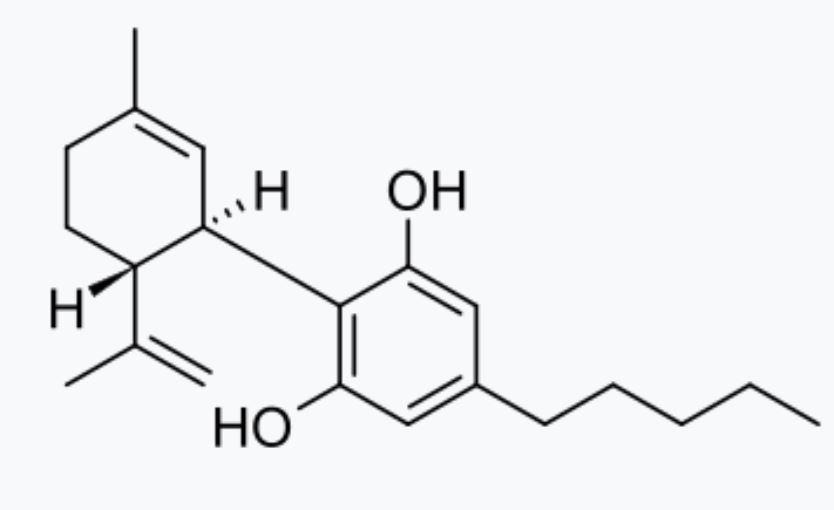
Police have raided “Gandalf”, a renowned “Green Fairy”, destroying greenhouses that supplied hundreds of patients with black market medicinal cannabis.
cross-posted from: https://lemmy.nz/post/17304016
cross-posted from: https://lemmy.world/post/23139121
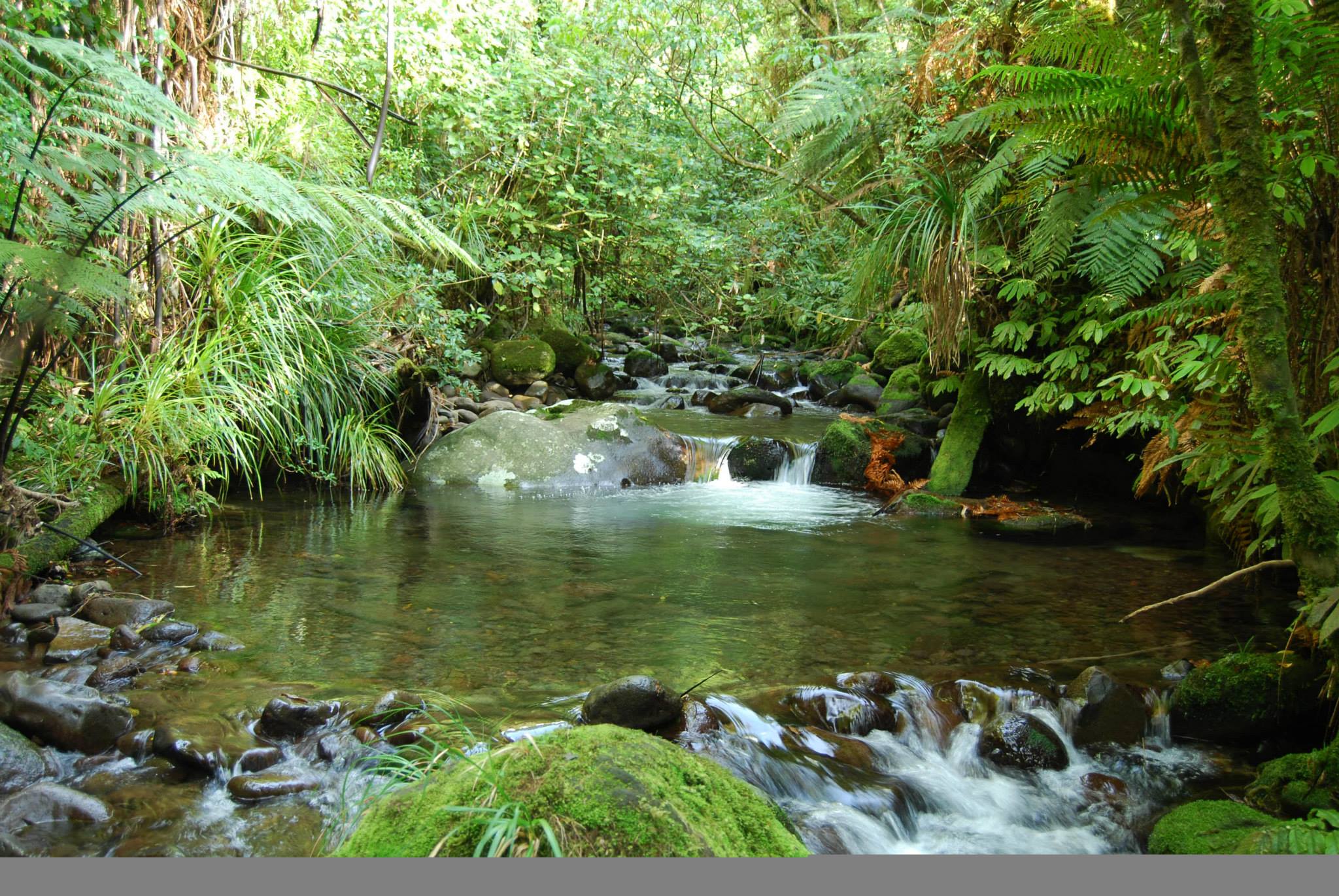
We set off up a small stream with no path, just me and one of the kids. She was thrilled, bouncing ahead and splashing into the water without hesitation. There was no trail to guide us, just rocks to hop over, branches to duck under, and the steady sound of the stream winding its way through the trees. Each little obstacle felt like a new discovery—a mossy rock here, a shiny stone there. For her, every step felt like a small victory.
On the way up, she took her time, inspecting leaves and sticks, occasionally pointing things out with the excitement only kids can muster. She laughed whenever her shoes slipped in the water, not minding a bit when her pants got wet. With each step, she got braver, happily stepping into the deeper parts and challenging herself to cross even slipperier stones. There was no rush or goal, just pure enjoyment of being somewhere wild and free.
The way back was even better. She wasn’t worried about getting wet anymore; she was already soaked! Every splash was an invitation to play, every stumble a chance to laugh it off. It wasn’t like a regular hike with a clear path to follow. This little adventure was raw and messy in the best way, and seeing her joy in the simple things reminded me why getting off the beaten path is sometimes the best way to explore.
Hi all
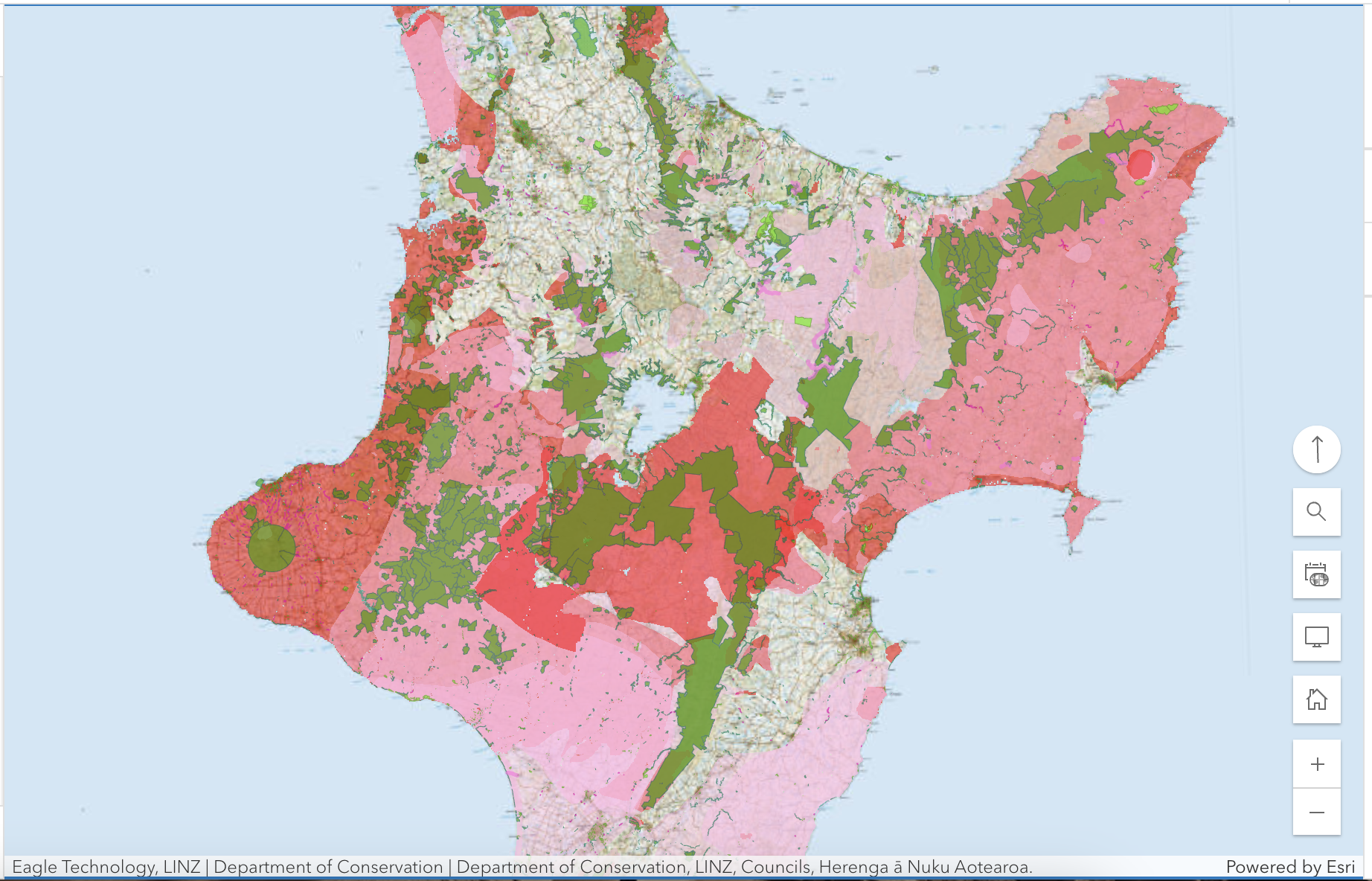
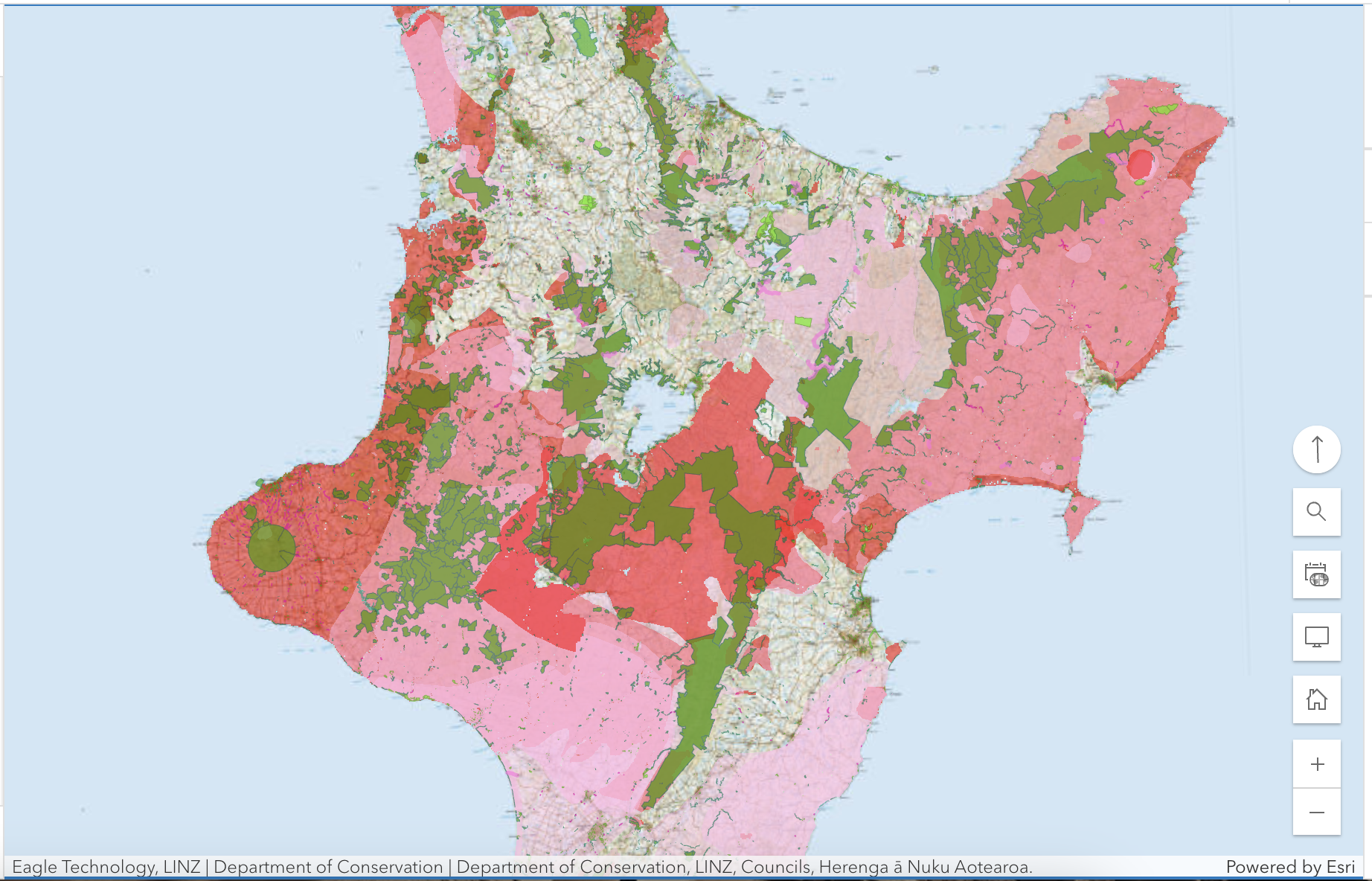
As I’m new (returning) to hunting, I have to get my head around What & Where. There didn’t seem to be a good online too that I could find so have built the following on arcGIS, DoC & Herenga ā Nuku (WAMS)'s data sets
The Nature of Kahurangi National Park and Northwest Nelson
At the top of the South Island, the Kahurangi National Park and adjoining areas are home to many plants and animals that aren’t found anywhere else on the planet. Kahurangi means precious; to be prized and award-winning writer Dave Hansford wants all New Zealanders to understand why the biodiversity and beauty of this region is exactly that, prized and precious.
His new work is more than a coffee table book with stunning pictures of the landscape and wildlife. It’s a plea to protect this sacred and wild land from the political, economic and social forces that jeopardize its future.
The book is called Kahurangi: The Nature of Kahurangi National Park and Northwest Nelson
Something to thing about with wild caught meat
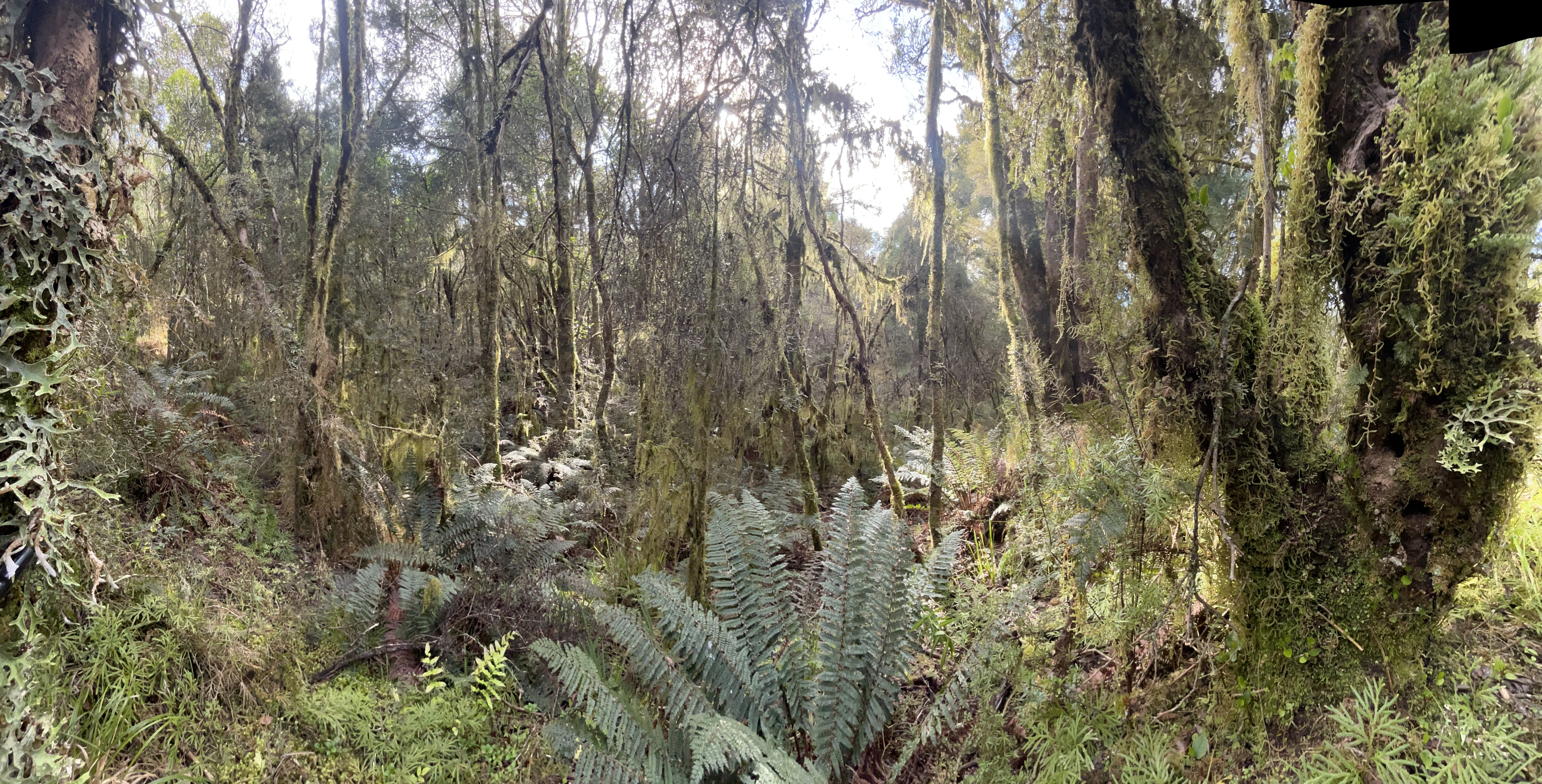
I had an early start for my first hunting trip in nearly 20 years, and I was filled with excitement as I made my way to the Northern blocks of Pureora Forest Park. The feeling of returning to the wilderness after such a long time was almost surreal. As I headed into the park, the memories of past hunts started to come back to me, and I could feel the anticipation building up.
On the way in, I crossed paths with another hunter who was heading out. He mentioned that he and his group had camped overnight and that there were two more hunting parties further up the track. To top it off, his mates were also planning to head into the area that same morning. With all this information, I couldn’t shake the feeling that it might turn out to be a pretty busy block, which made me slightly concerned about how crowded the hunting grounds might be.
As I continued along the track, I started noticing plenty of sign—although much of it was very old, almost too weathered to be of any immediate use. I kept moving forward, scanning the area with my eyes, hoping to come across something fresher. After a while, my patience paid off when I finally stumbled upon my first set of fresh tracks. The excitement of finding a fresh trail reinvigorated me, and I carefully followed the signs, hoping they would lead me closer to my quarry.
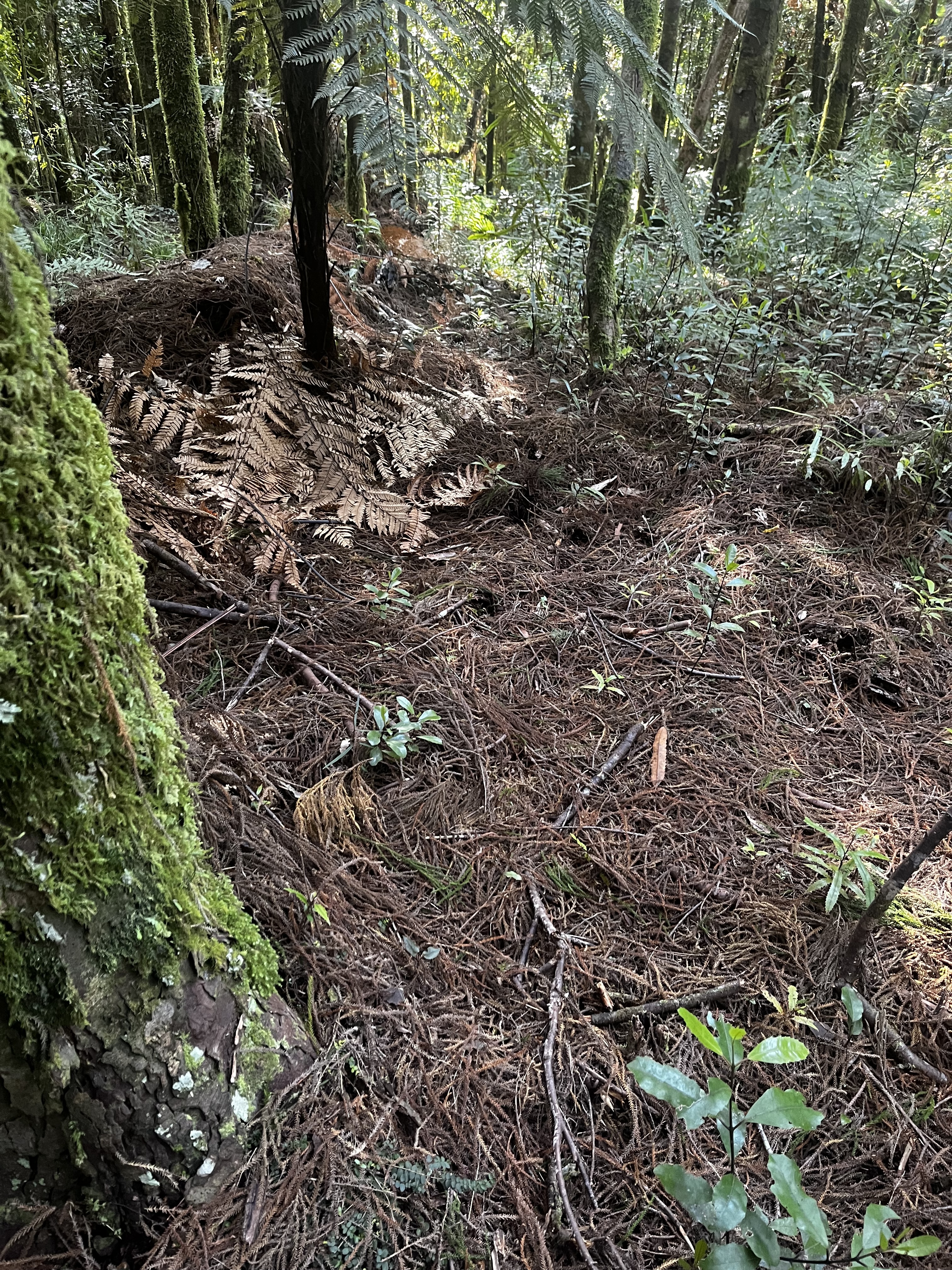
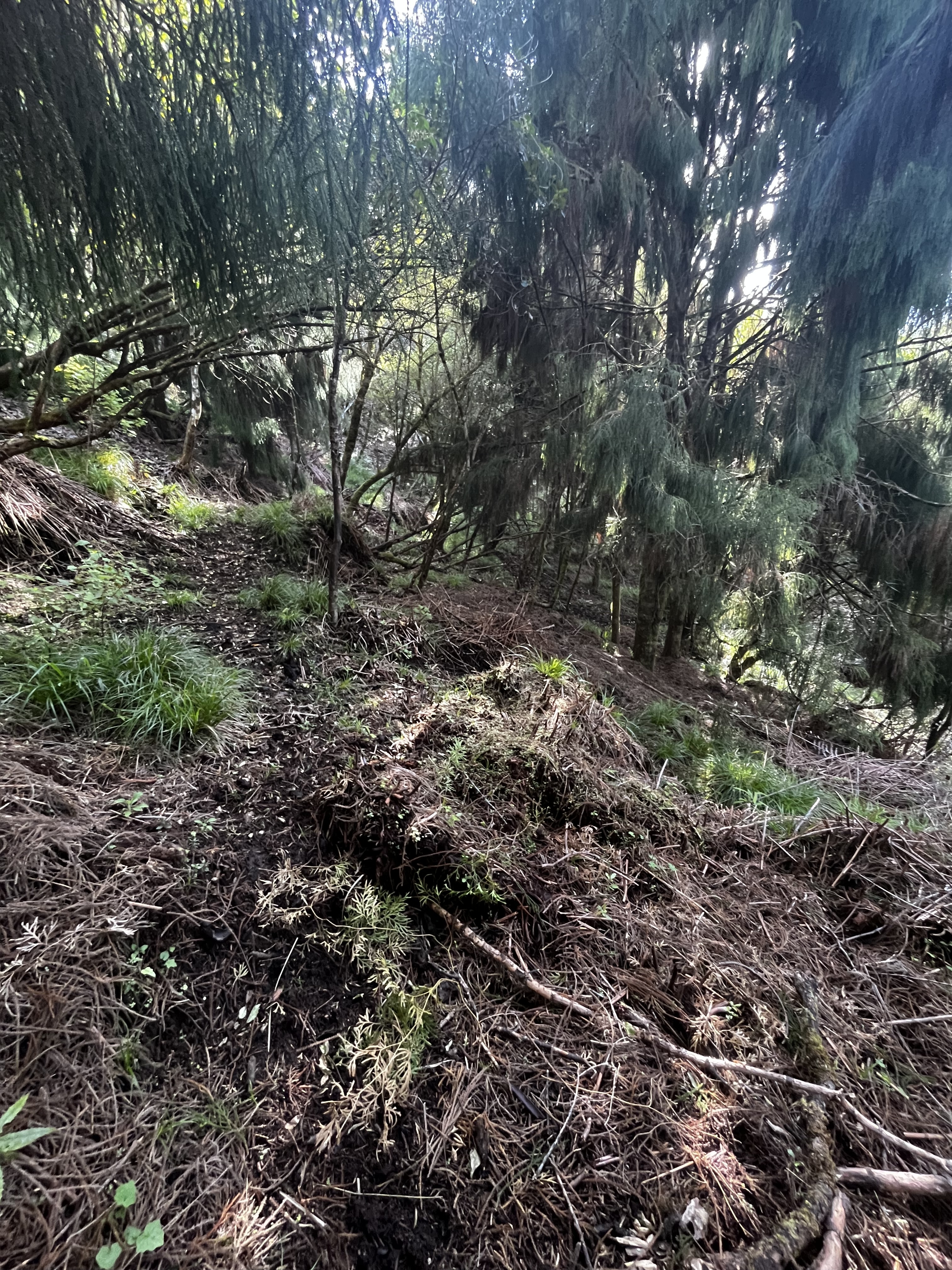
At one point along the way, I believe I might have heard a stomp—maybe 15 to 20 meters away—but the dense cover made it impossible to see anything. I decided to wait, standing perfectly still for several minutes, listening for any additional movement. Unfortunately, nothing stirred, and I couldn’t confirm if it was a deer or something else. The area where I heard the sound was incredibly thick, the kind of cover where animals can disappear in an instant without a trace.
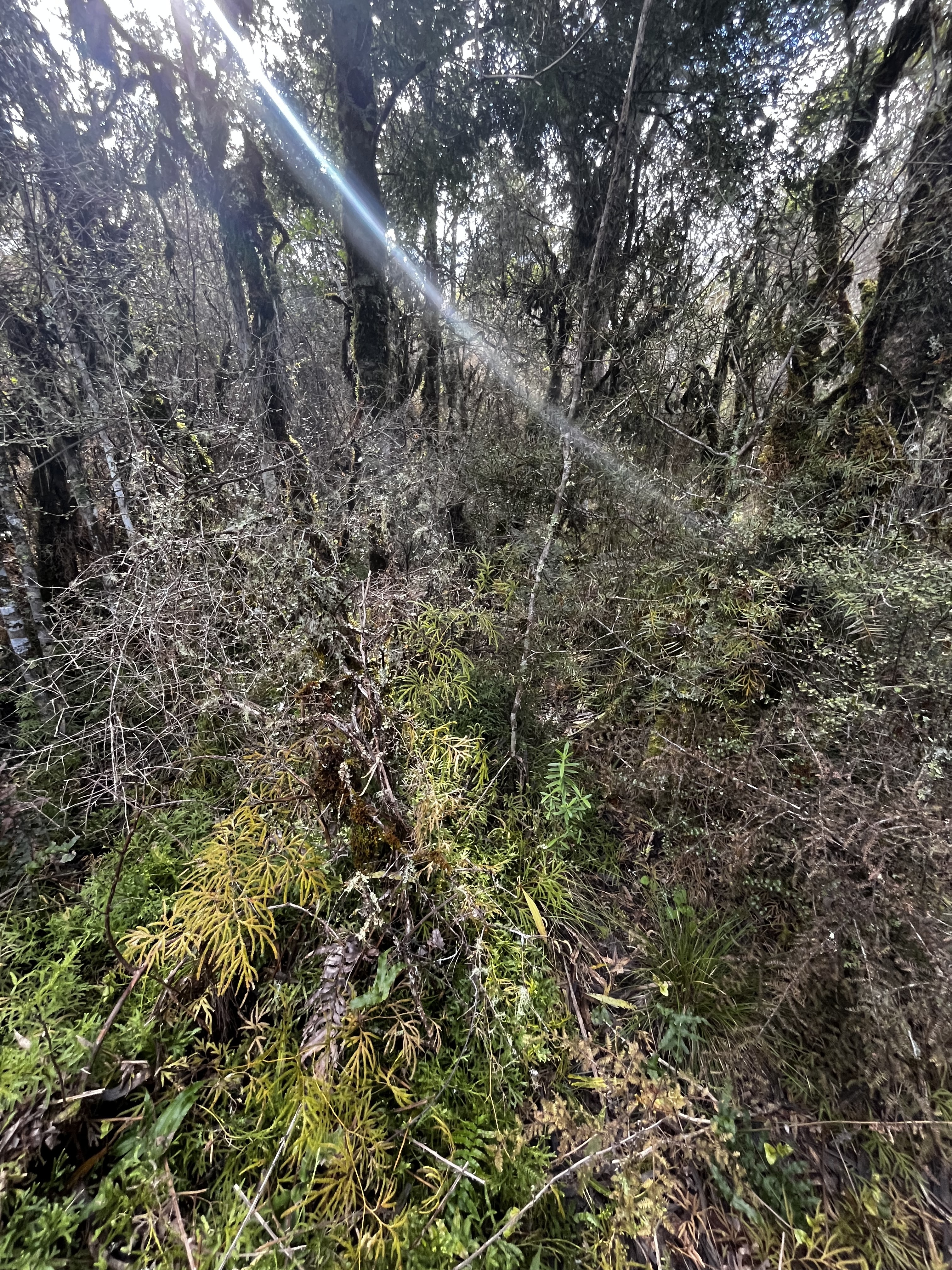
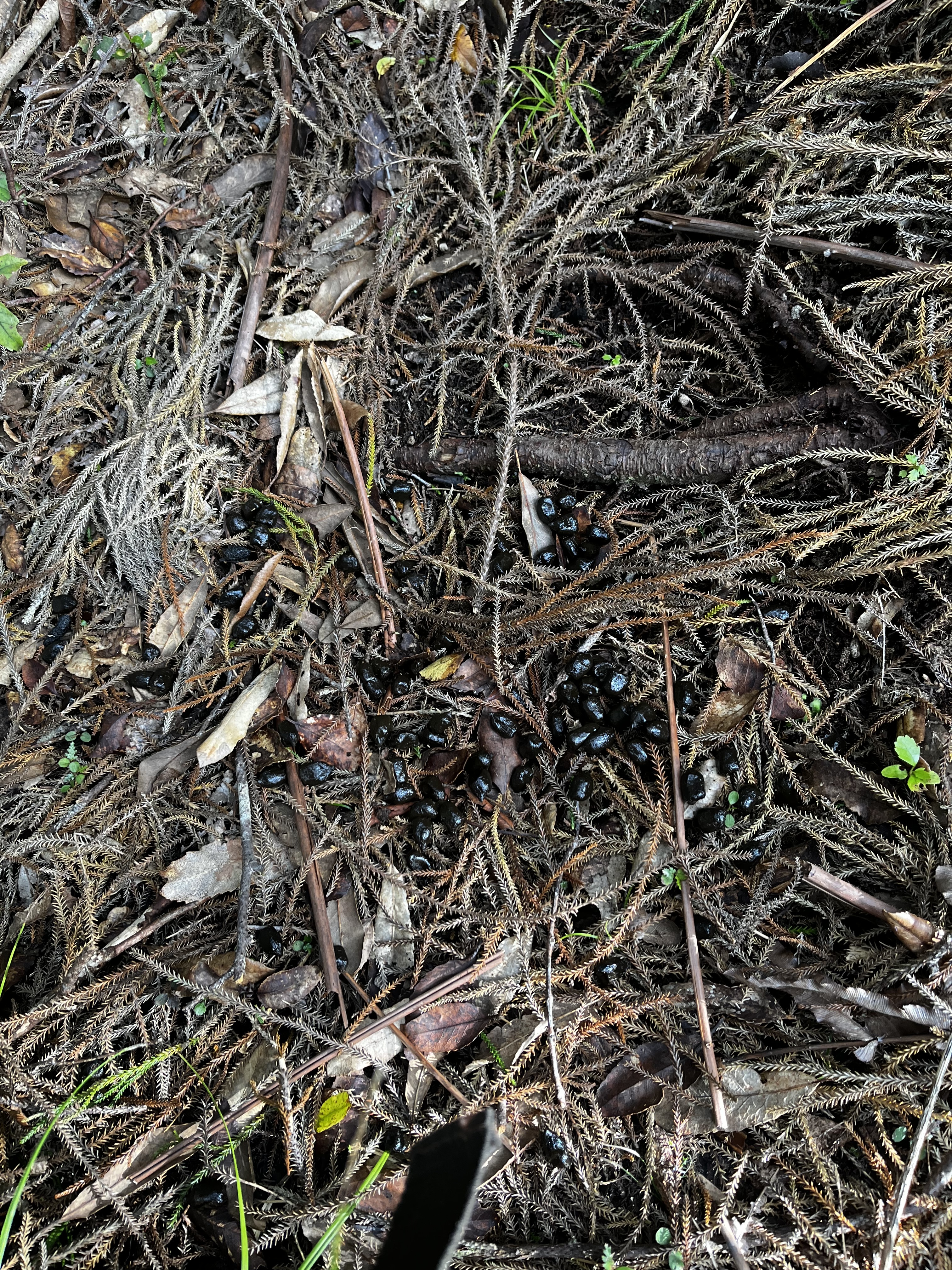
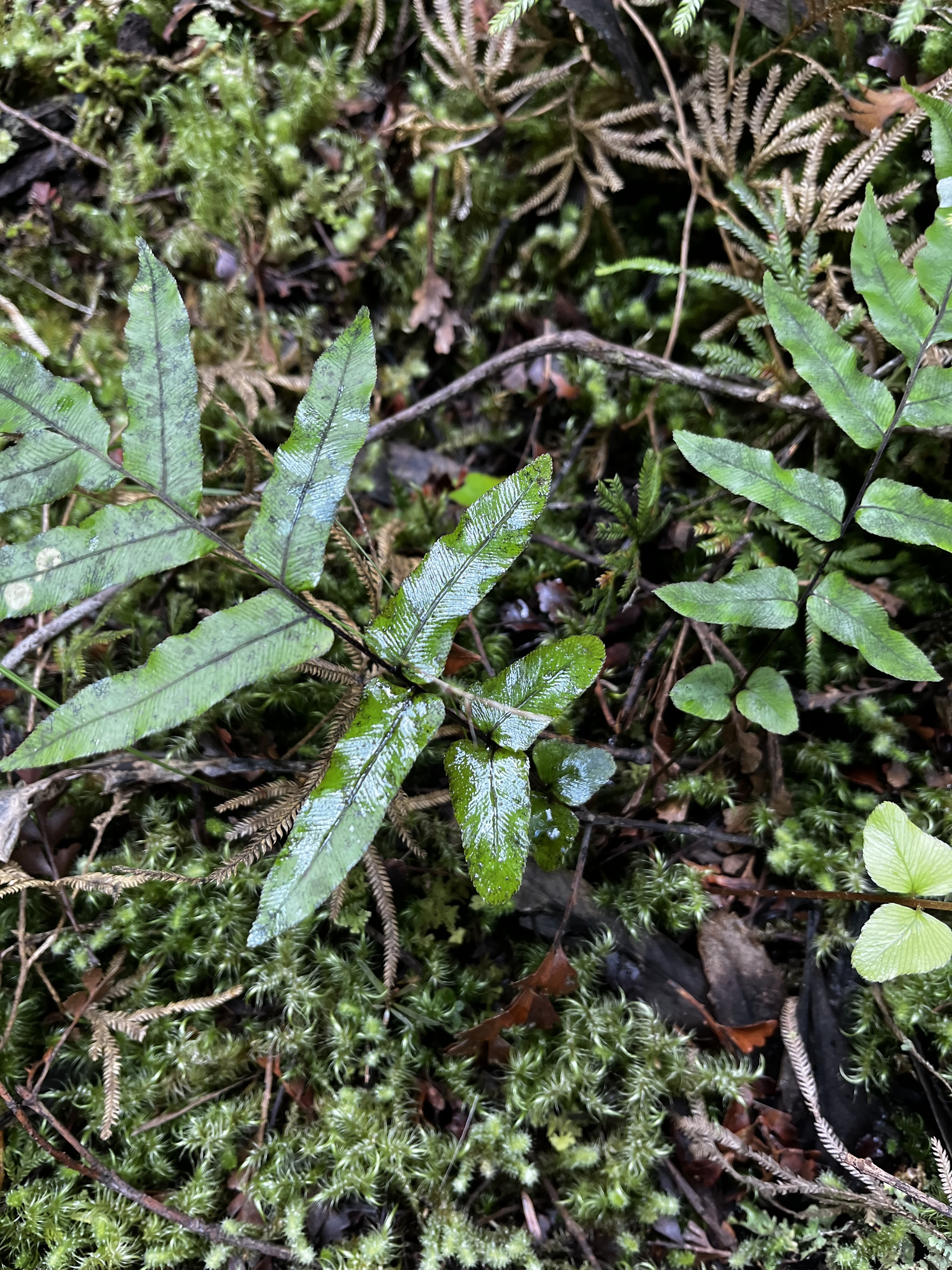
As I continued on the trail, I encountered a patch of sign that, while not exactly fresh, was definitely newer than the others I had seen so far. Among the signs, I found some scat that I couldn’t quite identify. It was smaller than most of the other droppings I’d come across, and I wondered what animal it could have come from. If anyone can offer an ID on the poop, I’d appreciate it!
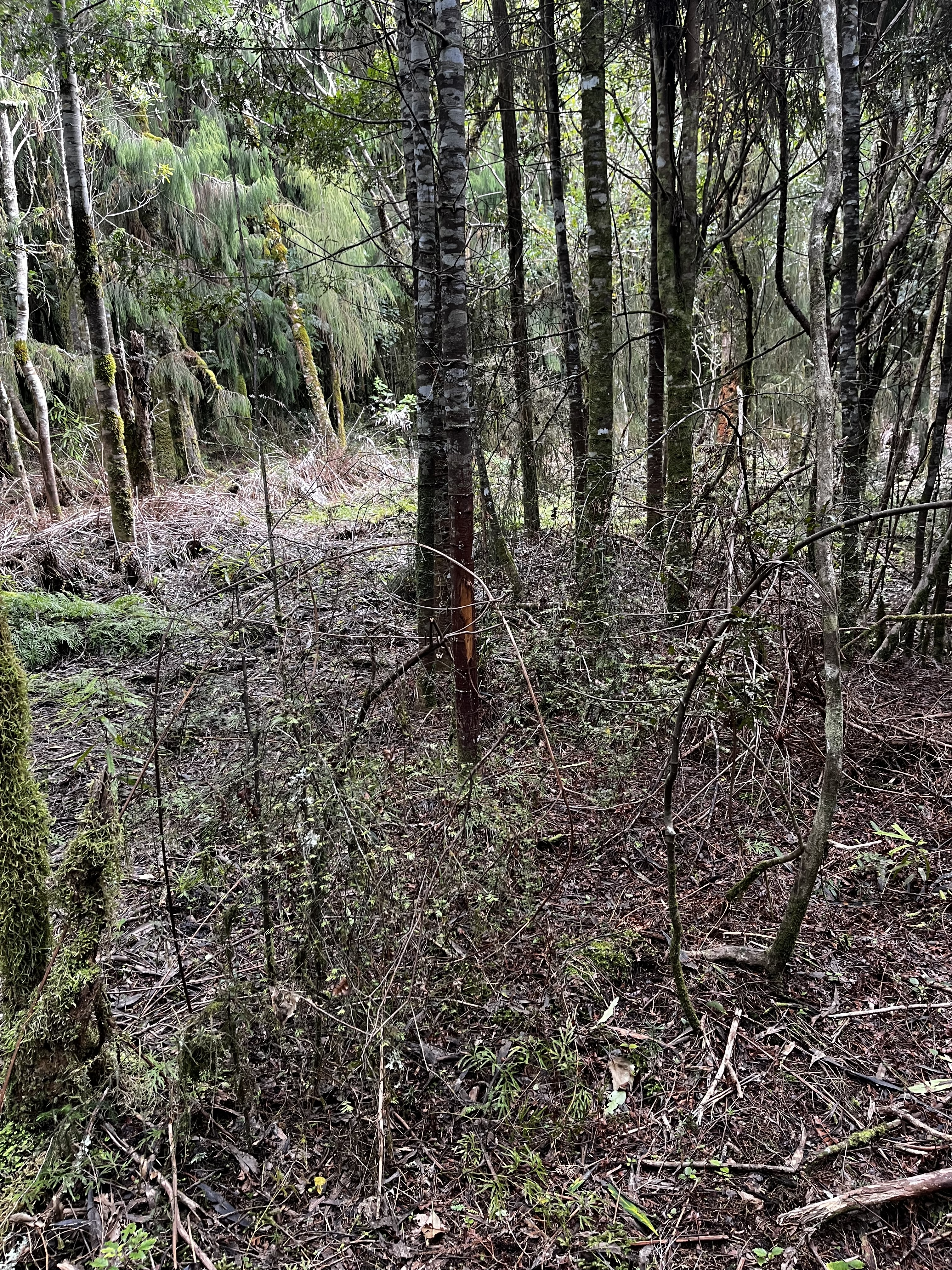
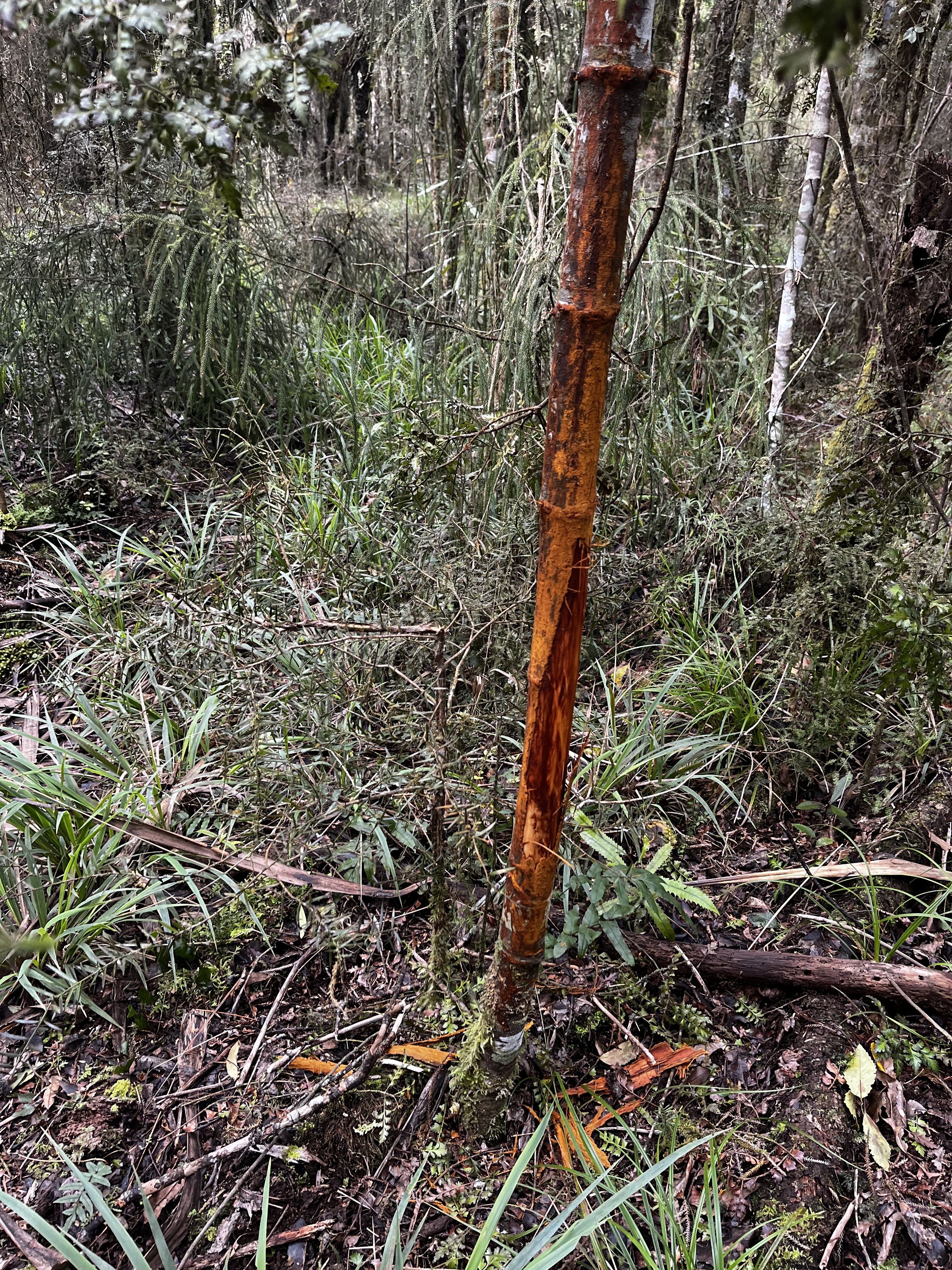
Further along, I noticed several trees that had been rubbed, indicating recent deer activity in the area. Seeing those rubs, combined with finding fresh pee nearby, gave me hope that I was getting closer. Even though I didn’t catch sight of any deer that morning, the experience was still exhilarating. There’s something deeply satisfying about being in nature, observing the signs and tracking the wildlife, even when the hunt doesn’t result in a sighting.
To cap off the day, I did spot two goats during the drive in, so at least I saw some wildlife on the outing. All in all, it was a good morning spent in the forest, and I was grateful for the opportunity to reconnect with a passion I hadn’t indulged in for two decades. There’s always the next trip, and who knows, maybe next time I’ll get lucky!
<Edited for further context>